
Punch: Engines rumble, cranes glide, and the scent of machine oil lingers over the river. In Detroit, the heartbeat of American mobility is once again unmistakable—and the call isn’t just for factory hands and engineers. It’s for drivers. Big-shouldered, route-smart, time-savvy drivers who keep America’s assembly lines connected to its coastlines.
Classic: The revival of Detroit is no longer a whisper. Investment is flowing into ports, intermodal yards, and auto plants, and the city’s distribution grid is tying together the Midwest with the South and the Eastern seaboard. That means more opportunity—and bigger paychecks—for pros behind the wheel. This guide, built in a classic Motor City frame with chrome-trimmed practicality, unpacks the 12 top trucking paychecks on offer right now, the freight you’ll pull, and the bonuses that sweeten the deal. Along the way, we’ll layer in storm-season readiness—from yard maintenance and vehicle protection to parking facilities you can use when a system is tracking north—because Detroit drivers don’t just move parts; they move resilience. If you’re searching for the Best trucking jobs Detroit, this is your road map.
Introduction to Hurricane Season Preparedness
Why talk hurricane preparedness in a Detroit hiring guide? Because Motor City drivers routinely shuttle auto parts to Gulf and Atlantic ports. Seasonal weather on the coasts can disrupt loads, detention times, and equipment. Knowing storm safety measures isn’t only good citizenship; it’s a career advantage. Forward-thinking fleets reward drivers who understand emergency planning, storm readiness, and storm damage prevention—not just for facilities, but for tractors, trailers, and customers’ property protection. As you weigh the Highest paying trucking jobs Detroit has on tap, weigh how each employer prepares you for storm warnings and route changes, too.
Preparing Your Yard for Hurricane Season
Whether you’re a company driver parking at a terminal or an owner-operator with a small lot on the city’s edge, fundamentals matter. Good yard maintenance, property maintenance, and debris management can be the difference between a clean post-storm departure and lost days to storm damage repair. The same basics apply to terminals from Jefferson Avenue to the I-94 corridor, as well as to drop lots across flood-prone areas in the South where you might relay freight.
Trimming Trees and Shrubbery
Wind gust forecasting can turn a routine week into a scramble. That’s why tree trimming timing and tree root risk assessment are part of any seasonal maintenance checklist. Keep limbs away from power lines and trailers, and note storm-resistant structures that shield trucks from flying branches. Roof edge protection and rain gutter protection help prevent water intrusion where trucks are staged.
Securing Loose Debris
Loose item securing is obvious until it isn’t. Pre storm debris removal means no wheel chocks, pallets, scrap steel, or unsecured tarps become missiles. Outdoor furniture securing might sound suburban, but at a terminal, it’s about banding empty cubes, strapping racks, and confirming shed tie-downs. Fence anchoring prevents panels from peeling away, and driveway clearance planning keeps routes open for emergency services.
Managing Yard Waste
Debris piles indicate where water will pool. Flood prevention starts with proper grading and clear drains. In coastal drop yards, flood barriers and garage flood barriers can buy precious inches. Knowing your storm shelter location and evacuation plans, as well as having a backup generator placement for fuel pumps and gate electronics, rounds out storm preparedness.
Utilizing Parking Facilities During Hurricanes
Parking space becomes critical when storm surge looms. Smart fleets and drivers plan vehicle storage using secure parking facilities and adhere to storm day parking limits and curbside parking rules posted by local authorities. If you’re staging near a coast pre- or post-delivery, consider vehicle cover options, portable carport setup, lane clearance for evac, and parking space rotation to move equipment to higher ground. Questions to ask your dispatcher: Where are the designated storm shelters? Which partners offer vehicle security measures and flood monitoring alerts for lots we use?
Chubb Hurricane Parking Service 1
Insurance matters when you’re hauling through hurricane season. While specifics vary by policy, Chubb publishes hurricane season tips and guidance on hurricane insurance coverage, vehicle protection, and property protection that can help drivers and fleets align documentation and claims steps ahead of time. Ask your carrier’s safety office how their hurricane insurance and storm damage mitigation protocols dovetail with your loads.
Miami Parking Authority’s Hurricane Parking Program 2
Public facilities can be lifelines. The Miami Parking Authority has historically offered hurricane parking options, signaling storm preparedness to residents and visiting workers. Check posted notices for storm day parking limits and any temporary curbside parking rules if you’re staging in Miami-Dade during a weather event.
Pompano Beach’s Hurricane Parking Grace Period 3
Regional municipalities sometimes ease restrictions to support hurricane evacuation and recovery. The City of Pompano Beach has communicated storm safety measures and grace-period policies during active systems. For drivers delivering near Broward County, verify which lots allow short-term vehicle storage or parking facilities during declared emergencies.
Additional Tips for Vehicle Protection During Storms
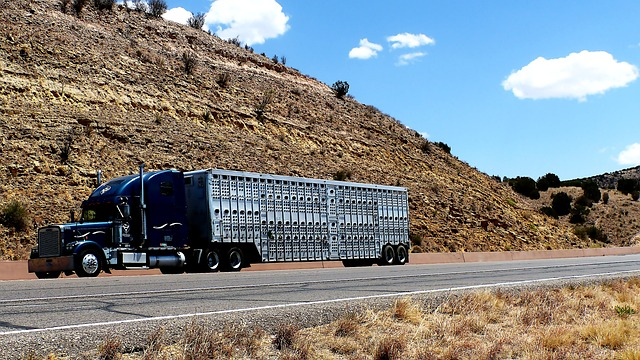
Whether you’re dedicated or OTR, storm safety is a professional habit. Keep this compact checklist in your cab and share it with new teammates:
- Monitor storm warnings and wind gust forecasting through trusted sources; adjust ETAs accordingly.
- Identify flood-prone areas and reroute to storm-resistant structures when feasible.
- Use flood barriers, garage flood barriers, and vehicle cover options where allowed; verify parking space rotation if lots mandate movement.
- Confirm storm shelter location and evacuation plans at terminals; rehearse emergency services contact trees.
- Inspect equipment storage tactics for tarps, chains, and straps; perform property perimeter checks before leaving a yard.
- Apply hail damage readiness steps; keep a photo log for storm damage prevention and, if needed, storm damage repair claims.
- Document hurricane evacuation policies with dispatch; know the lane clearance for evac that your load permits.
- Coordinate irrigation system protection and pool cover security only if you’re responsible for residential properties while OTR (owner-ops); otherwise, confirm terminal protocols for pre storm debris removal and loose item securing.
- Review fence anchoring, shed tie-downs, and roof edge protection at regular intervals as part of a seasonal maintenance checklist.
- Check hurricane insurance details for deductibles and coverage triggers; clarify hurricane insurance coverage exclusions with your fleet manager.
- Use backup generator placement notes to keep reefers powered; log fuel levels and test alarms for flood monitoring alerts.
- Respect posted storm day parking limits and curbside parking rules in municipalities offering temporary storm shelters.
- Revisit tree trimming timing and tree root risk assessment notes with facility managers to improve long-term yard maintenance.
Quick Storm Readiness for Drivers
HMD Trucking
Detroit’s auto supply chain craves reliability, and HMD Trucking has leaned into that demand with steady Midwest-to-South lanes and a pay philosophy that rewards precision. If you’re exploring top-paying trucking companies hiring in Detroit, HMD’s blend of modern equipment, shop access, and clear communications stands out. It’s a driver-forward outfit with a performance track record that aligns with the Motor City’s work ethic.
- Pay rate: Competitive OTR rates often reported in the 70–85 CPM range for experienced CDL‑A drivers; weekly take-home designed to reward consistent miles.
- Bonuses: Safety/performance incentives; accessorial pay; periodic extra pay for high-priority auto freight.
- Freight type: Primarily dry van with dedicated and regional lanes; flatbed options in select markets serving industrial and automotive accounts.
Old Dominion Freight Line
Ask any veteran about LTL linehaul in the Midwest and Old Dominion Freight Line frequently makes the shortlist. Detroit’s rising shipment volumes make OD’s network appealing to drivers who want a home-daily or system linehaul rhythm with top-scale wages and meticulously maintained equipment. For road professionals who appreciate predictable terminals and a safety-first culture, OD delivers.
- Pay rate: Top-scale hourly for city/P&D and mileage/hourly blends for linehaul; widely regarded as among the highest in LTL.
- Bonuses: Safety awards; performance recognition; comprehensive benefits package.
- Freight type: LTL palletized freight with high service standards.
Learn more: Old Dominion Freight Line
ABF Freight
ABF Freight’s Teamsters-represented operations offer strong wage security and benefits, making it a magnet for Detroit truck driver jobs seekers who value structure and top-tier retirement options. With a long history supporting automotive shipments, ABF’s culture rewards precision dock work and careful driving.
- Pay rate: Competitive union scale for city and road; hourly/mileage depending on bid.
- Bonuses: Pension contributions; healthcare and paid time off; safety incentives.
- Freight type: LTL, including automotive suppliers and industrial freight.
Learn more: ABF Freight
Estes Express Lines
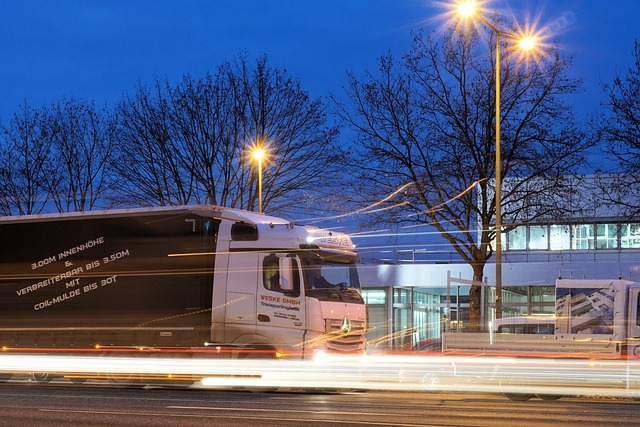
Family-owned and growth-minded, Estes Express’s Detroit footprint has expanded with regional manufacturing. Drivers cite reliable equipment, solid terminals, and a culture that backs safety. If you’re evaluating Top trucking companies Detroit can offer in LTL, Estes is a proven option.
- Pay rate: Competitive hourly for P&D; linehaul mixes with attractive overtime opportunities.
- Bonuses: Safety recognition, shift differentials in certain markets.
- Freight type: LTL with a blend of general and high-value industrial freight.
Learn more: Estes Express Lines
Saia LTL Freight
Saia’s high-velocity network offers steady miles on linehaul and structured days for city drivers. In Detroit’s industrial corridors, Saia’s emphasis on service pairs well with drivers who like tight operations and clear expectations.
- Pay rate: Competitive hourly for city and strong linehaul compensation with benefits.
- Bonuses: Safety programs; performance-based awards.
- Freight type: LTL palletized freight, including time-sensitive shipments.
Learn more: Saia LTL Freight
UPS (Feeder)
When it comes to pay escalation and benefits, UPS feeder positions are often among the highest on the road. These union-protected seats are competitive, but for Detroit drivers with the patience to bid and the discipline to master yard procedures, they offer long-horizon stability.
- Pay rate: Top-scale hourly rates for feeders that rank among the best in freight.
- Bonuses: Strong pension/healthcare; premium holiday and overtime structures.
- Freight type: Dedicated parcel trailers, predictable routes, and terminal-to-terminal runs.
Learn more: UPS
FedEx Freight
FedEx Freight pairs national scale with regional opportunities, giving Detroit drivers multiple pathways—city, road, or dock-to-driver programs. The brand’s focus on safe-yard operations and technology appeals to drivers who like a clean, crisp routine.
- Pay rate: Competitive hourly for P&D; road compensation with benefits and scheduled home time.
- Bonuses: Safety programs and tuition assistance; strong benefits package.
- Freight type: LTL with a broad customer base and reliable volumes.
Learn more: FedEx Freight
TMC Transportation
If you prefer hands-on work and pride in polished equipment, TMC’s flatbed model—one of the most recognizable in the country—offers Detroit drivers a robust path to high earnings. The flatbed skill set travels well in Michigan, where steel and machinery move daily.
- Pay rate: Percentage pay model that rewards higher-paying loads; strong for motivated earners.
- Bonuses: Tarping pay; safety awards; performance ladders for experienced drivers.
- Freight type: Flatbed—steel, machinery, building materials; training available for qualified applicants.
Learn more: TMC Transportation
Melton Truck Lines
Another flatbed stalwart, Melton’s cadence of training and consistent freight makes it ideal for drivers eager to level up their skill set. Detroit’s auto ecosystem, with its industrial alloys and components, feeds Melton lanes with year-round demand.
- Pay rate: Competitive CPM for flatbed with incremental raises and securement pay.
- Bonuses: Fuel and safety bonuses; per diem options; rider and pet programs.
- Freight type: Flatbed freight across the Lower 48 with strong Midwest presence.
Learn more: Melton Truck Lines
Roehl Transport
Roehl combines multiple divisions—reefer, flatbed, van—with training that’s earned industry respect. Detroit-area runs plug into both regional and national grids, letting drivers choose home-time priorities without sacrificing compensation.
- Pay rate: Competitive CPM by fleet; additional pay for securement or refrigerated operations.
- Bonuses: Safety and performance; tuition and skills development pathways.
- Freight type: Van, flatbed, and reefer; dedicated and regional options available.
Learn more: Roehl Transport
Schneider
One of the most diversified carriers in the country, Schneider offers Detroit drivers a menu of choices: intermodal lanes to the railheads, dedicated auto parts, regional van, and more. The company’s technology stack and safety culture are clear draws for drivers who value precision.
- Pay rate: Competitive CPM with accessorials; intermodal and dedicated pay options.
- Bonuses: Sign-on in select fleets; safety and fuel incentives.
- Freight type: Van, intermodal, dedicated automotive; flexible home-time plans.
Learn more: Schneider
J.B. Hunt
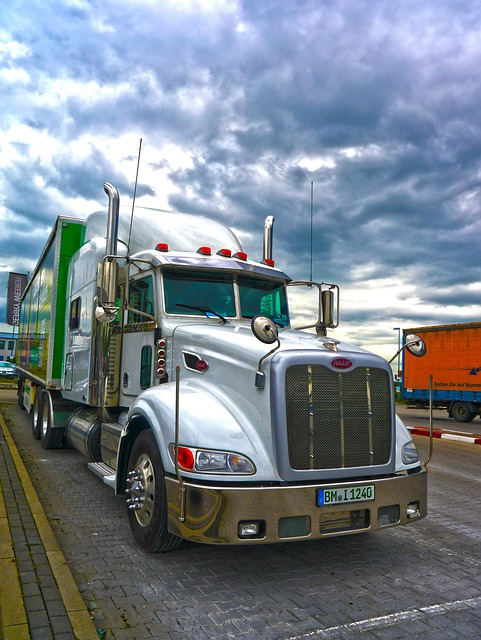
In Detroit, J.B. Hunt’s dedicated and intermodal operations align tightly with auto supply chains. Drivers cite consistent schedules and a mix of home-daily and weekly options, making Hunt a strong choice for stability with scale.
- Pay rate: Competitive weekly guarantees on dedicated; CPM/CPH mixes across divisions.
- Bonuses: Referral, safety, and performance incentives; benefits with 401(k) match.
- Freight type: Dedicated automotive, intermodal, and van freight tailored to the region.
Learn more: J.B. Hunt
Universal Logistics Holdings
Headquartered in Metro Detroit, Universal is knitted into the automotive fabric—from plant-to-plant shuttles to cross-border lanes. If you want a seat inside the core of the industry, Universal’s proximity and portfolio are hard to ignore for Trucking companies Detroit hiring right now.
- Pay rate: Competitive structures tied to dedicated auto networks and intermodal.
- Bonuses: Safety and performance incentives; opportunities across multiple business units.
- Freight type: Automotive, intermodal, and dedicated; Michigan-centric options abound.
Learn more: Universal Logistics Holdings
A Motor City Checklist for Storm Readiness
Before we close, here’s a rapid-fire, plain-English index of terms you’ll hear in safety briefings and terminal walkthroughs. Keep them handy, apply them across facilities you visit, and impress the folks doing the wind risk assessment before the next system rolls ashore:
- hurricane preparedness
- storm safety
- storm preparedness
- hurricane season tips
- emergency planning
- evacuation plans
- hurricane evacuation
- storm shelters
- storm-resistant structures
- flood prevention
- flood-prone areas
- storm surge
- flood barriers
- vehicle protection
- vehicle storage
- vehicle security measures
- parking facilities
- storm day parking limits
- curbside parking rules
- parking space rotation
- lane clearance for evac
- hail damage readiness
- flood monitoring alerts
- storm damage mitigation
- storm damage repair
- hurricane insurance
- hurricane insurance coverage
- property protection
- property maintenance
- yard maintenance
- debris management
- pre storm debris removal
- loose item securing
- outdoor furniture securing
- pool cover security
- irrigation system protection
- fence anchoring
- roof edge protection
- garage flood barriers
- driveway clearance planning
- vehicle cover options
- storm shelter location
- backup generator placement
- portable carport setup
- rain gutter protection
- equipment storage tactics
- property perimeter checks
- tree trimming timing
- tree root risk assessment
- wind risk assessment
- wind gust forecasting
- garage organization tips
- seasonal maintenance checklist
Conclusion
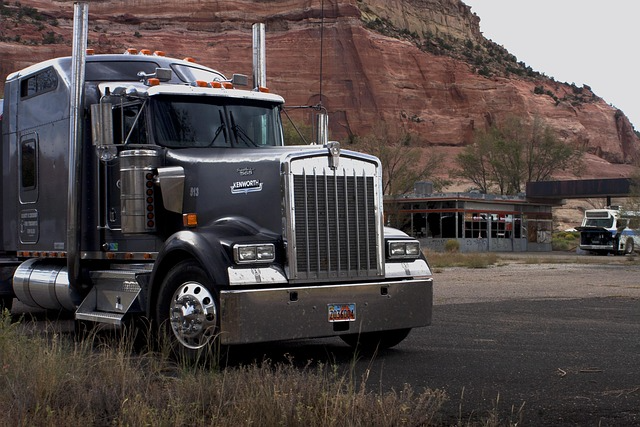
Detroit is reasserting itself as a center of gravity for American trucking. More auto plants are humming, more intermodal boxes are rolling, and more contractors are bidding for skilled drivers who know how to keep schedules—even when a squall line forms two states away. If you’ve been scanning for Top trucking companies Detroit, this list highlights outfits ready to invest in you, your time, and your craft. And as you evaluate Detroit truck driver jobs, remember that the best employers don’t just advertise pay; they prove it with dependable lanes, maintained equipment, and real-world storm safety measures that respect the work.
Call to action: Ready to test-drive a bigger paycheck and steadier freight? Line up your next application with the carriers above, compare offers against your priorities, and seize the momentum of a city that’s driving again. The Best trucking jobs Detroit drivers deserve are on the table—pick your lane and roll.